
In honour of the hit Apple TV period drama series, The Buccaneers, making a comeback soon, on June 18, I decided it was about time to give it a re-watch.
Now, I am a very big fan of period dramas, and I’ve seen pretty much everything there is to see out there, to various degrees of accuracy, so when it was announced in 2023 that Apple TV was releasing their own version of The Buccaneers, I knew I had to hop in and see what it was all about.
blah, blah, blah, backstory stuff
The Buccaneers is an unfinished novel originally published in 1938, a year after the author, Edith Wharton’s, death. Being a child of the Gilded Age, Wharton’s other more well-known works also take place during that time, such as The Age of Innocence and The House of Mirth. The novel became notorious for its unfinished state, receiving an ending in 1993, much to the dismay of the literary community; it was finished by Marion Mainwaring and based on the original incredibly detailed outlining Wharton wrote for the novel’s third act.
Around that same time, the 90s had already exhausted the making and marketing of other works by Wharton, with Scorsese directing an adaptation of The Age of Innocence in 1993 and The House of Mirth already having been adapted for television, stage and radio, as well as a pre-production for a film adaptation (which would eventually come out in 2000), already in the works. So, in 1995, the BBC decided to hop on the bandwagon and produce their own take on Wharton’s work with The Buccaneers, which made little to no splash at the time, but is now fondly remembered as a faithful, if not slightly slower-paced, miniseries adaptation of the novel. And it would remain the only adaptation of the controversial novel until 2023.
The Buccaneers (2023), unlike its 1995 predecessor, comes to us in a post-Bridgerton world, which has affected the adaptation immensely. It is very clear to anyone with eyes that Apple TV was looking to create a Bridgerton-style success of their own, with lavish parties, brightly-coloured off-the-rack 90s prom dresses, a spunky liberal feminist protagonist and sexy leading men; and although it is my belief that they failed in recreating the success of Bridgerton, they still succeeded in creating their own vintage-inspired period drama.
To be completely honest, I am not, unlike it may seem, a stickler for “period accuracy”. Not only because, as a former middle and high school nerd whose greatest subject has always been history, I can comprehend how complete historical accuracy may be, well, impossible, unless you have an infinite budget AND the ability to time travel. As a cinephile, a writer and a lover of art, I can also understand and encourage creative liberty, a trait in media that is best enjoyed when done correctly.
So let’s jump into my many thoughts and feelings towards Season 1 of The Buccaneers.
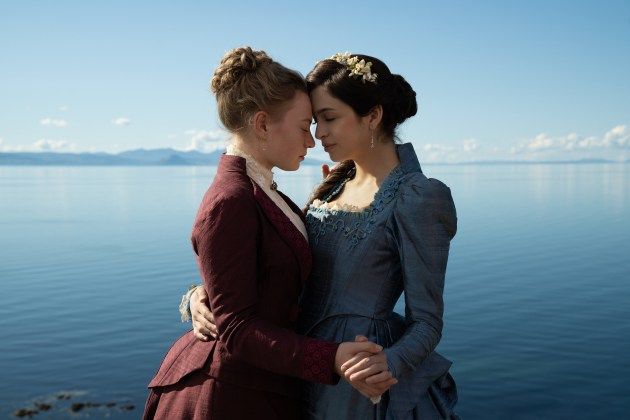
PRO: Gay Rep Done Right
We are first introduced to Mabel Elmsworth when Nan hands her a hair accessory in the first few minutes of episode one. Mabel, unlike her sister, is a more reserved member of The Buccaneers. She’s observant and somewhat retracted, something that comes to make sense as we find out she’s a lesbian. As for her background, Mabel and Lizzy are both daughters of a nouveau riche American family headed by their ambitious mother and a father we never get to see onscreen, likely due to how much he works. Much like the other girls, Mabel’s job in life is to acquire a good match, get married and improve her and her family’s place in society by solidifying her belonging to the upper class. The girls mother initially travels with them to England, but goes back to the States after Lizzy decides to leave.
Honoria Marable is the complete opposite. She was raised to be poised and correct, stiff in a way, the only daughter of Lord and Lady Brightlinsea, and unlike Mabel and her friends, is unable to speak her mind with much ease, as well as her reserved and reclusive nature coming from a place of fear, unlike Mabel’s. We are first introduced to her having tea as the girls make a raucous during their arrival at the Brightlinsea residence.
Throughout the series, we watch as these two women fall in love, sharing a kiss during a game of hide and seek, a first expression of queerness for Honoria which is essential for the development of her character, and later making love for the first time in a cottage during their getaway weekend with Conchita, Honoria’s sister-in-law.
Honoria is a fantastic character. She begins as standoffish and rude, her hatred for the American way of life extremely palpable, but soon begins to soften around the edges as she realises that she is not a monster or one of her kind, that there are others (namely, Mabel) like her in the world. She falls in love very fast, much to Mabel’s surprise, and allows herself to dream of a life where the two of them can actually be together as wives. Unlike Mabel, however, Honoria has the privilege of never needing to get married, as her family and position in society can provide her with a lifelong income, which brings the pair to have a fallout over Mabel’s decision to get married as a way of staying in England.
I genuinely look forward to seeing how their relationship will develop in Season 2, as well as how long it will take for Mabel to realise that even a marriage of convenience can have its burdens.
–
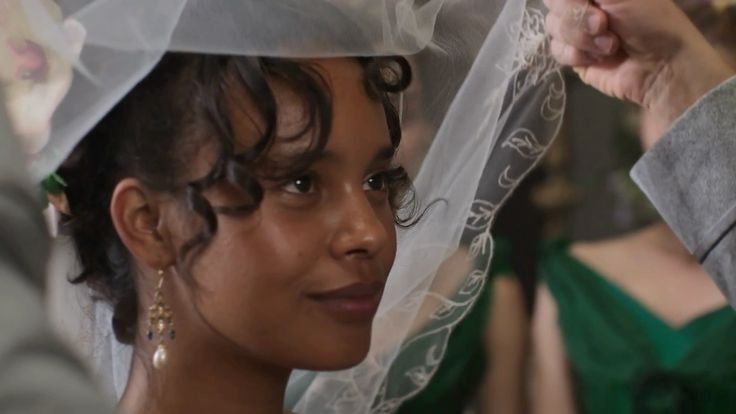
CON: The Series’ Awkward Relationship with Race, aka, Having Its Cake and Eating It Too
In the original novel, the character of Conchita is white. Her race is not only imperative to the story being told, but also to her background. There’s even a very poignant scene, also seen in the 1995 adaptation, where Ms Testvalley receives a letter from Richard’s mother, Lady Brightlingsea, asking if Conchita is “coloured”, a scene that establishes both the racism of the time, as well as Lady Brightlingsea’s lack of knowledge of Latin America, as Conchita is not only white but comes from a plantation-owning family (on both sides) in Brazil.
Now, the story takes place in the 1870s, the height of the Gilded Age and Wharton’s childhood, and the character of Conchita is based on Consuelo Vanderbilt, daughter of the then new money family, the Vanderbilts, who married the Duke of Marlborough and became the most famous American Dollar Princess as her money was used to keep the Duke’s estate alive. Consuelo was a white woman, and she was named after her mother’s childhood best friend, who also had a tragic marriage to a powerful man, the half-cuban Consuelo Yznaga. Naming the character Consuelo, however, would have made it far too obvious what the criticisms being made were, so her name was changed to another spanish-sounding name, Conchita (which makes no logical sense since Conchita is Brazilian and her name is an abbreviation of Concepcion, which is not a Brazilian name). But being the daughter of plantation owners whose business is conducted in Brazil in the 1870s, that means Conchita’s family made their money on slave labour, since slavery wasn’t abolished in the country until 1888.
In the 1995 series, Conchita is interpreted by Mira Sorvino, and her mother, paired with an offensively bad accent, by Elizabeth Ashley. Both of the actresses are white, and their ethnic background is still seen as an awkward conversation for the characters, even if these two women are allowed at the same places as the other girls due to their whiteness and proximity to American-ism through Conchita’s stepfather, as exemplified by the letter Ms Testvalley receives. There is still a very real fear by Richard’s parents that Conchita might be black, and that Richard might be providing them with black grandchildren. This also becomes a dominant factor in how his parents later treat her.
For the 2023 series, however, Conchita is black, and her ethnic background is erased. We are not introduced to her parents, although we do see who I assume is her stepfather walking her down the aisle, so we cannot know if she’s mixed or not, but she still sports her original name therefore it could be assumed that she too is Brazilian. Alisha Boe isn’t.
Now, personally, I find it hard to believe that the production of The Buccaneers couldn’t find one single actress of Brazilian or general Latin American descent to star in this production, and chose to instead go with a Swedish-Somali actress, but that is a conversation for another day, as the fact of the matter is that The Buccaneers’ writers have no idea how to handle race.
I went through three different phases while watching this series. At first, I thought the production employed colorblind casting, like Bridgerton, and we were being introduced to a world where the slave trade never existed and people of all races lived in community without the weight of racism – a change that would make it less awkward to have an AfroBrazilian character whose money comes from the slave trade. Then, as we progressed, I thought perhaps the series was trying to make commentary about the very real existence of non-white people amongst the higher classes of the UK and US in the 1870s, which, even if few and far between, is a real phenomenon; but I soon realised it was a secret third thing.
The Buccaneers takes place in a universe where racism exists, but only when it’s convenient for the plot. For instance, we no longer have a scene of Lady Brightlinsea writing to Ms Testvalley to inquire about the race of Conchita. Instead, their wedding goes forward smoothly, and we see background actors of different races show up on screen throughout scenes in both the U.S and the UK.
However, once we are introduced to Conchita’s relationship with her in-laws, their comments about how loud, poorly mannered and outspoken she is are coated with racial undertones, but are dismissed under guise of being anti-American sentiment, purely xenophobic in nature. and Once we meet Guy Thwart, played by non-white actor Matthew Broome, we have several scenes of him and his father mentioning how difficult life was for them, and how people have always treated him differently. That, however, is explained by his being a product of a morganatic marriage, as his parents were of different social ranks, and their being different races isn’t even mentioned.
All that takes a turn on episode 7, when an infuriated Conchita approaches her in-laws and questions them on their quick warming up to their new daughter-in-law, Jinny. At first, the series plays off their kindness towards Jinny as being a result of her good manners and vowing that she is different from Conchita in it that she doesn’t enjoy attention, or parties, and she’s a more reserved, less opinionated person (a result of her husband’s abuse), but Conchita finally puts cards on the table and asks them if their good opinion has anything to do with her blonde hair, blue eyes and pale skin, to which they respond “this may be how you feel about things, but it is not how we feel”, essentially blaming the girl for daring to point out their racism.
There are a few other touches that suggest the series is aware of Conchita’s race, like her confiding in Nan that she is afraid her daughter will be treated differently by the family due to the fact the baby looks like her, but it is not until nearly the finale that we have a scene that truly acknowledges the racial violence Conchita is being submitted to.
It truly is infuriating to watch the series bounce from pretending like racism has been solved to admitting it’s existence, and it almost feels like it is afraid of having these conversations, because it doesn’t wish to burst the carefully curated escapist bubble it has built for itself. The issues of racism and race as a whole seem to loom over the characters of Conchita, Guy and, later, Jane Hopeleigh, the series only prominent asian character, like a big cloud of smoke that expands but nobody wants to talk about, so it just floats through the air getting thicker and more toxic as the episodes go along.
I can only hope season 2 won’t be so lenient, but due to the race of the main writers of the series, I’m afraid not much will change.
–
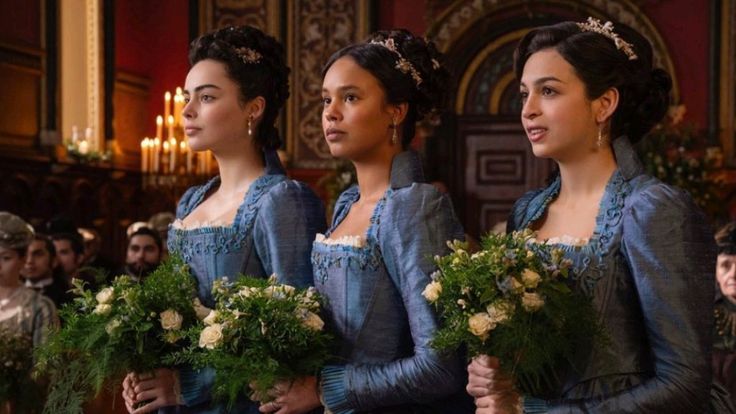
PRO: GREAT GOWNS, BEAUTIFUL GOWNS
As previously stated, I am not in any way a stickler for historical accuracy. When it comes to a director’s creative expression, I believe there is a good balance that can be respected between accuracy and creative intent, and even directors who tip that balance in their favour, like in the case of Pride and Prejudice (2005) can succeed in creating a costume design that is both gorgeous, memorable and encapsulates the characters perfectly. And for better or for worse, I do believe that The Buccaneers achieves that, most of the time.
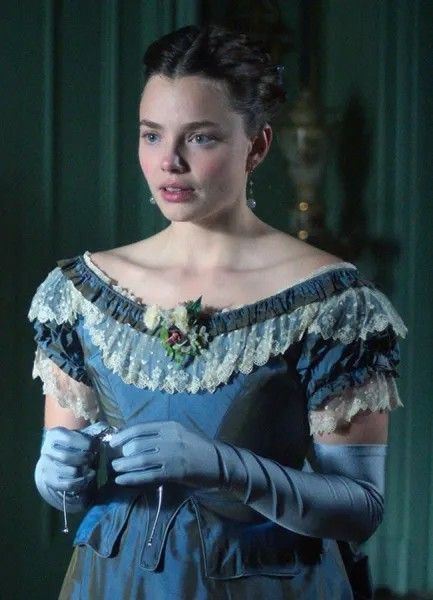
Starting with the main character, Nan St George’s wardrobe is full of blues.
The one time we see her character wearing a deeper colour is for Conchita’s wedding, as her bridesmaid’s dress is green, but the one she chooses for her friends at her own wedding is also light blue.
There is a very clear connection drawn early on between Nan and the sea. She’s a creature of mystique and mystery, as well as alluring in her own gentle way, but she hides a secret fury underneath and is very short-tempered. Her wardrobe consisting of mostly shades of blue feeds into this idea.
Nan is also very young, being around 16 in the novel and 17 to 18 in the series, and her ingenuity and innocence when it comes to life and love is represented through the soft fabrics she wears, consisting of mostly cotton and lace. The choices of fabric also represent her aloof personality, connecting her to trees and flowers and implying she is a dreamer and a simple, free-spirited soul that can be easily carried away by her thoughts and ideals, as she has no real-world experience to back up or inact these ideals.
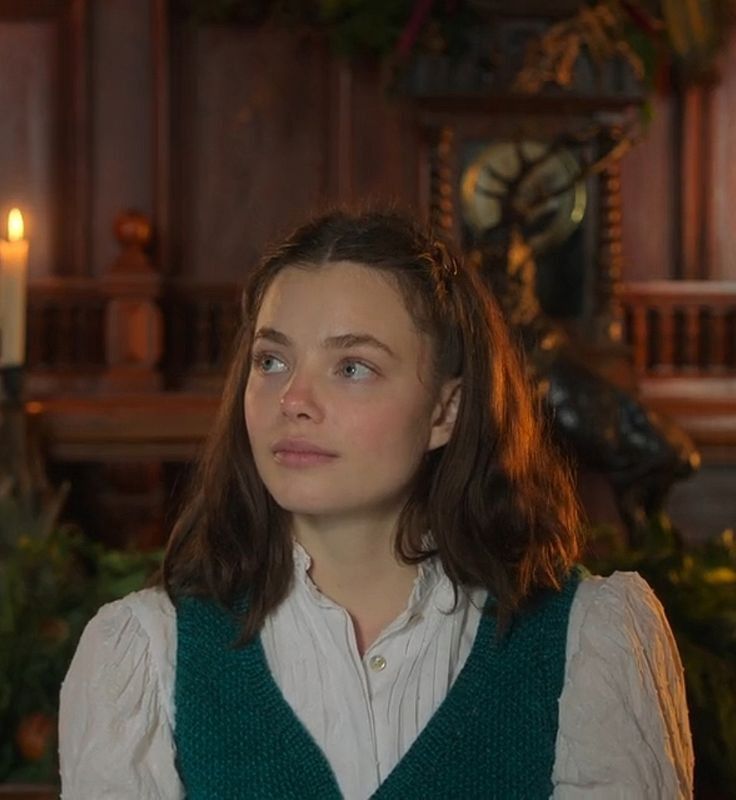
Finally, she also consistently wears her hair down, which I personally hate, in an unkept and often seemingly rushed hairstyle. Her hair is quite short, shorter than any of the other girls, implying she doesn’t care to fuss about it, and prefers practicality over the luxurious length that was the fasbion at the time. It also connects to the perceived notion of her character’s ingenuity and boyishness, as unlike her sister she doesn’t care for the societal expectations placed on women, such as traditional etiquette rules.
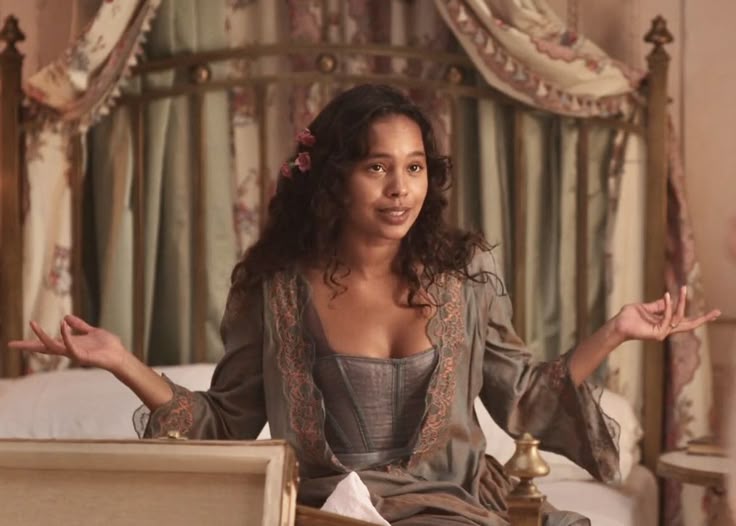
Moving on to Conchita Closson, whom I believe to be the secondary protagonist and the next most-important female character in terms of development; Conchita is portrayed as either being or acting more mature than her age; she’s more experienced than the other girls in matters of love and sex, and knows how to please a crowd.
Conchita is often portrayed in either sultry deep shades, or muted earthy ones. Most often we see her in shades of a greyish muted blue-green, brown, red and purple which compliment her skin tone very well, showing she knows how to play to her advantages in terms of dress and that she’s a more down to earth, realistic character in contrast to Nan’s dreamer personality.
Another demonstration of her knowledge of her most attractive attributes is Conchita’s appreciation for deep reds, which we see her wearing on several occasions, both in formal situations like balls, as well as at home with her baby or her in-laws; A very sultry and seductive tone, it reminds the audience of how Conchita sees herself as a womanly figure, and how connected to her feminine side she is. although it bothers me how much the series takes advantage of the sexy latina trope, it also seems to be an indicator of how she was raised, and if the backstory of the novel is to be believed, watching her mother pursue an American businessman as a child, who would then become her stepfather, must have taught Conchita a thing or two about how to portray herself in relation to men.
The fabrics she wears are high in quality and look expensive. Her clothes usually have several frills and flounces, a testament to the skill of the dressmaker and the monetary ability to pay for such frivolities – as well as having a lifestyle that allows her to wear them without it impacting her everyday chores. Her dresses are always full and ornate, with embroidery and lace touches, and she wears a lot of silk and velvet, adding to her characterisation as the seductive femme fatale.
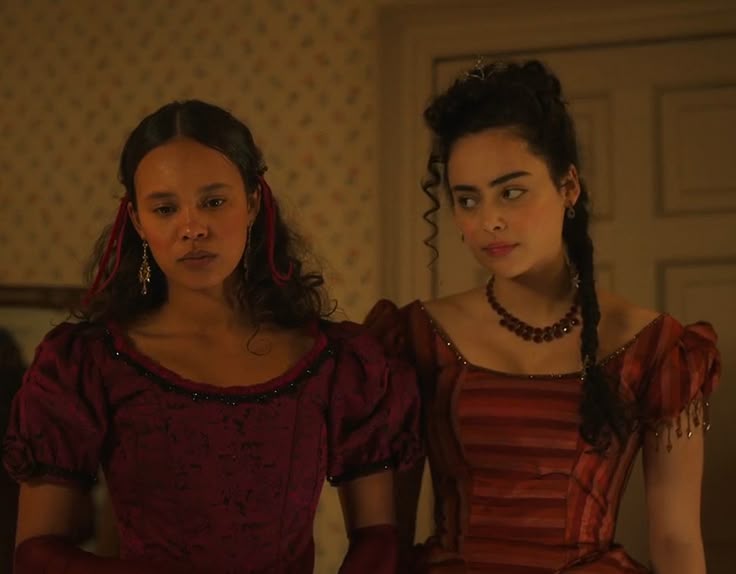
We see her hair fully down on some rare occasions, when the series wants to remind us of her wild, unpolished side; she has long curly locks that seem to be very well-taken care of, but most of the time her hair is up and adorned with flowers or ribbons, an ode to her more delicate, vulnerable side, and although it might sometimes be around her face, it is always with the explicit intention of framing it gracefully, and never obscures the viewers vision of her lovely features, showing she knows how beautiful she is and she’s willing to use that to her advantage as much as possible.
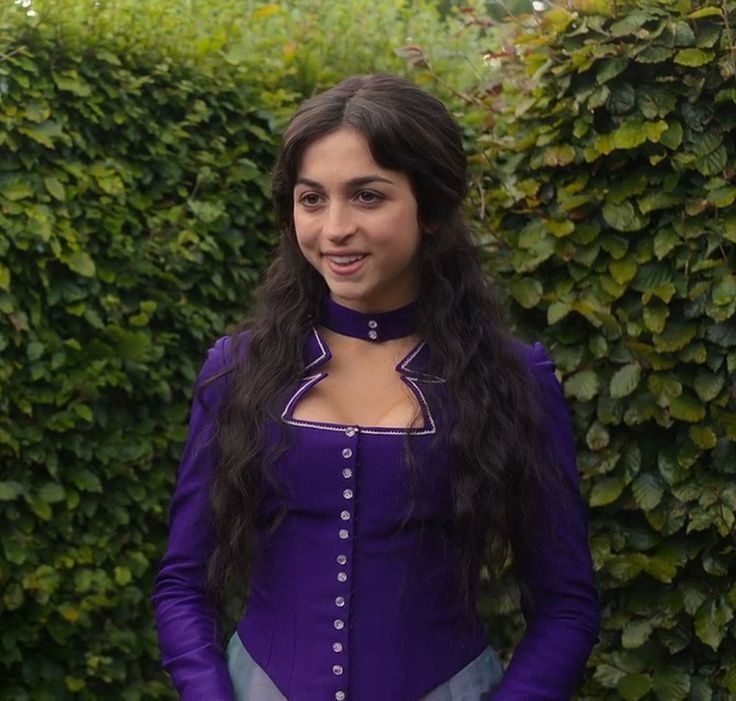
Mabel elmsworth thrives in the colour purple, most specifically, violet purple, a nod to her sexuality.
Violet, the colour and the flower, have been used for centuries as a representation of lesbianism, an association originating in Sappho’s poems which cite violet tiaras all the way back in the 6th century. Undoubtedly, that is where the inspiration for most of her wardrobe comes from.
Mabel’s clothing is quite eclectic, sporting unique necklines and interesting patterns, but her clothing is also extremely feminine in nature, an ode to her genuine yearning for marriage and children, and how she doesn’t wish to sacrifice her femininity for her sexuality.
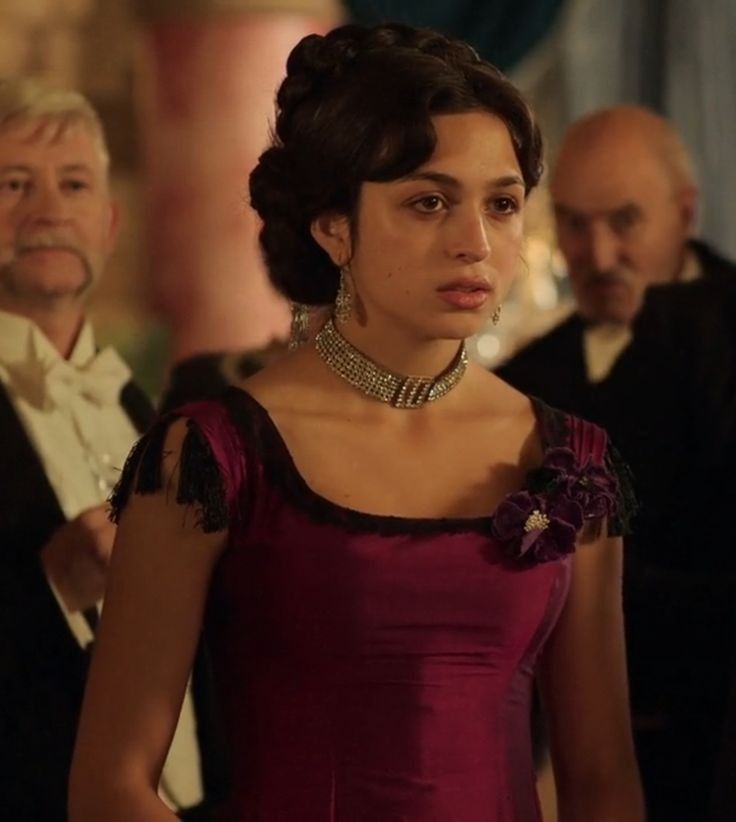
Her hair is a mix. In the company of her friends, it is kept down, but always sporting a fun hairstyle like a braid; at formal events, particularly ones her mother may be in attendance, her hair is up in a tidy bun away from her face and adorned with flowers, a symbol of her femininity and the wild nature that connects her to her friends.
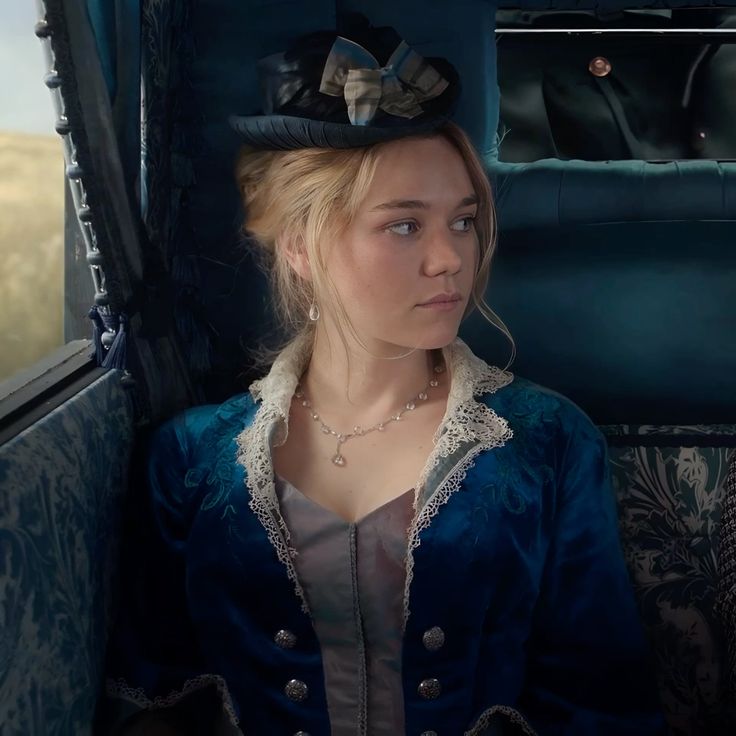
Jinny st george‘s characterisation follows her character arc perfectly.
Initially, she’s portrayed in more flowy, girlish light colours like cream and yellow, with clothes that sport frills, flounces and bows, her clothing speaking to her romantic and optimistic nature, while also always following the rules of fashion of the time, as Jinny believes playing by the rules will win her the perfect match.
After marriage, however, she descends into darker shades, most often green, and sports sober cuts of simple and elegant fabric, with traditional necklines, elegant accessories and put-together hairstyles.
her hair, speaking of which, is consistently up, with the exception of a couple of scenes where she’s comfortably in the company of her friends. having been introduced to society, it makes sense that jinny would wish to leave girlish things like having her hair loose behind and follow the more traditional hairstyles her mother also wears.
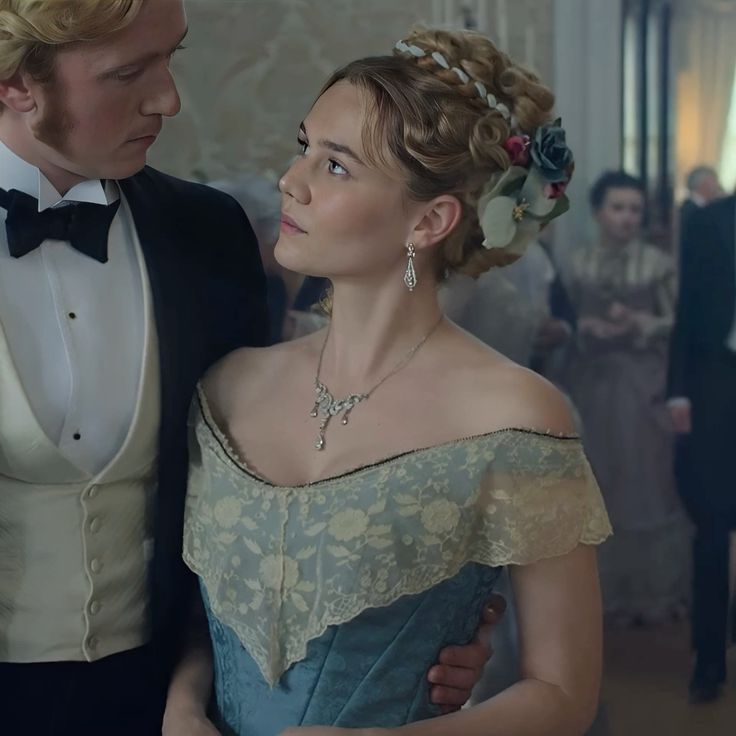
Her wardrobe is an ode to her development, going from a romantic young girl who dreams of being loved and cherished, to the wife of a controlling, abusive man who doesn’t allow her to be herself. He has taken her spark, her grace and her colour, and substituted with muted, colder shades more suitable to a “wife”. Her conservative looks are adjacent to those you would see on a much older woman, something her mother-in-law might wear; and in the winter episodes, while her friends have their hair down, and are wearing layered long winter coats and scarves, she’s sporting a matronly updo with a long-sleeved, high-neck blood red winter dress.
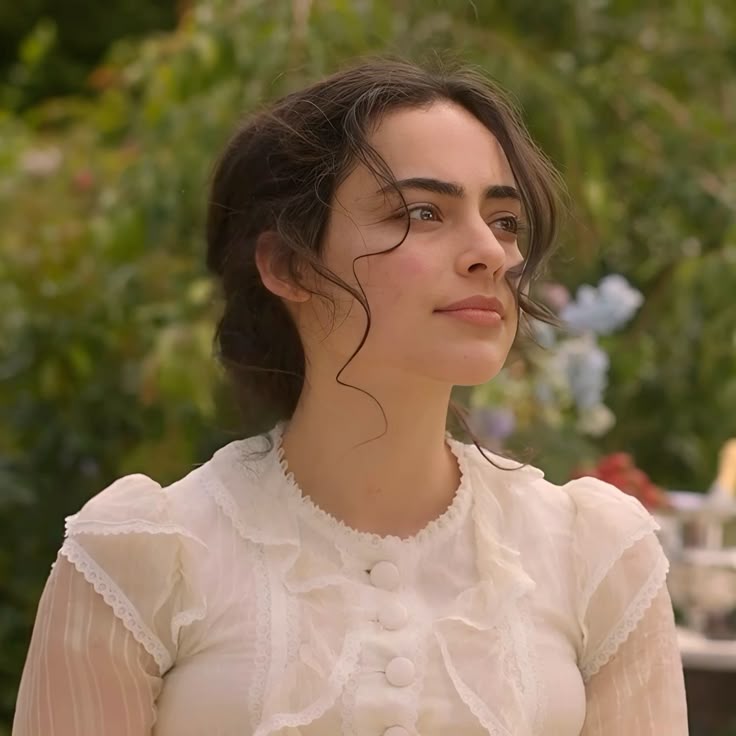
Lizzy Elmsworth’s wardrobe is perhaps the hardest to describe. Her colour palette drastically shifts from light to dark after her assault, but her wardrobe is inconsistent and says many things at the same time.
In the beginning, she sports light, often white, airy fabric that’s flowy and romantic, and even childish in nature. As the older sister, her wardrobe is a bit more conservative and less experimental than Mabel’s, but she quickly shifts to darker tones of red and black once she’s sexually abused by James; by then, her wardrobe is sharper edged, with bolder cuts, colours and patterns, and her hair is almost constantly up, with no more flowers for her after the assault.
Unfortunately, her wardrobe seems to revolve exclusively around her trauma, and so does her storyline, so there isn’t much else to ascertain.
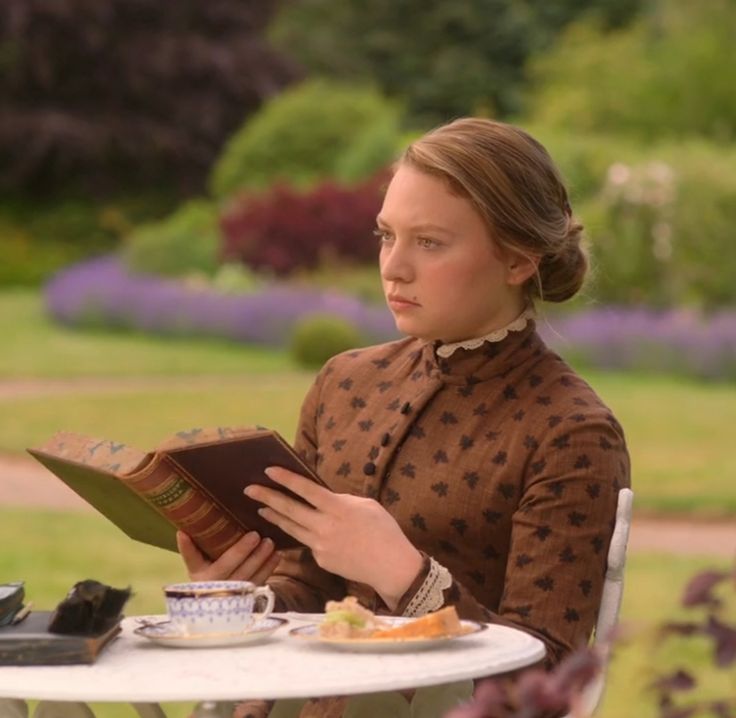
Honoria Marable doesn’t get nearly enough time on screen as she deserves, but the little time we spent with her showed a drastic change in her wardrobe.
Initially, we see Honoria sporting traditional cuts of plain fabric, in patterns that would be usually attributed to a matron or a spinster, and her manner of dress is quite conservative, with her colour palette being dark, muted tones, and her hair being in a neat bun.
As the series develops, however, and she becomes more comfortable in her own skin, she breaks away from her parents idea that she will be forever unmarried and starts dressing in more delicate, lacey fabrics in light colours, and a few strands of her hair are brought down to frame her face in curls, with flowers becoming a motif also for her.
–
CON: LAURA TESTVALLEY, WHAT HAVE THEY DONE TO YOU??
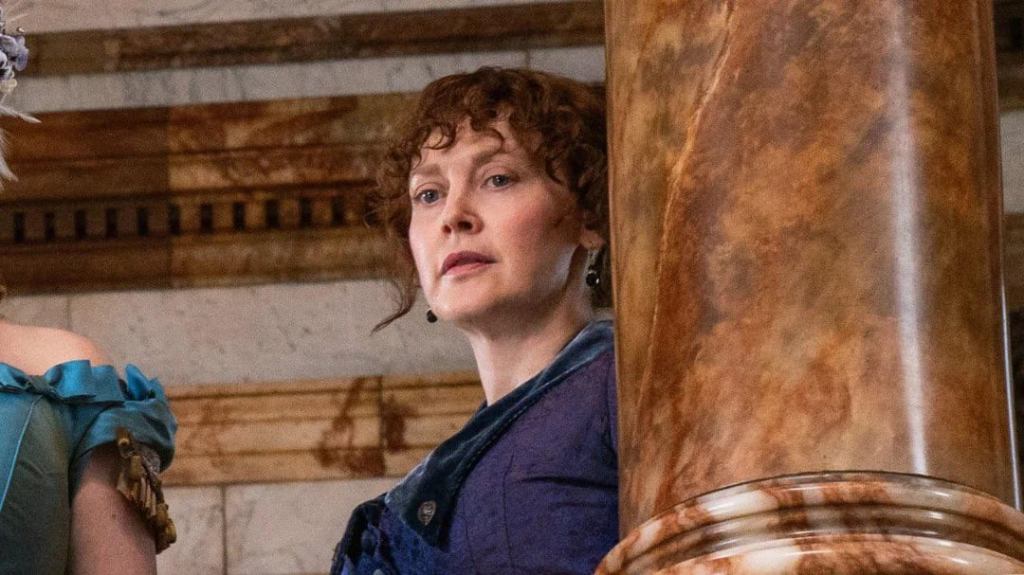
Unfortunately for both new viewers and those who have interacted with either the original novel or the 1995 miniseries, The Buccaneers 2023 doesn’t just have a weird relationship with race, it also has a disrespectful relationship with its female characters.
Apart from its very obvious liberal feminist stance of women in the 1800s were restricted by corsets and yearned to be free from their clothes and fall in love with whomever they wish, a sentiment that, as well as having been heated and rehashed about 3k times by much better period dramas, is undeveloped, lukewarm and lacking in depth (to say the least), the series also fails most of its female characters.
Lizzy Elmsworth’s inability to be anything other than a victim or a background character might come to mind first, followed by Conchita’s immaturity and bratish behaviour and ethnic stereotyping and Nan’s superficial women’s rights crusade – which mostly stems from her feeling of being lost due to the impact of finding out she’s a bastard and not from a genuine yearning for helping anyone not in her circle, likely the series least interesting and trashiest deviation from the novel.
But none of these sins equal what they’ve done to Laura Testvalley.
Originally introduced as a wild and mysterious character, Miss Testvalley’s characterisation in the novel is rooted in her being treated as an outsider and second-class citizen by the British aristocracy. The grandchild of an Italian anarchist rebel, Laura comes from a big, colourful Italian background, with her family having been forced to flee Italy, and her sultry sicilian looks of tanned skin and dark hair and eyes making her easy prey for the prejudiced british high society. Her reality as the child of immigrants is what initially draws her to Nan and indeed the other girls, and it’s from her background of growing up surrounded by prejudice that comes her will to help the girls succeed in marriage and life.
It is Laura’s idea in the novel and original series that the girls travel to England, as she believes her knowledge of the aristocracy will help them navigate that world and make good, fortunate matches. From their very childhood, she’s the governess and teacher of the St. George girls, and after realising Nan’s match isn’t really a good one, Laura sacrifices herself and her own chance at happiness to help Nan escape and flee alongside her true love, Guy Thwart.
At one point in the original story, Laura meets Lord Richard, the husband of Conchita Closson who is actually the younger son of the Brightlinsea family and therefore not the heir as he is depicted in the 2023 series. Lord Richard, apart from a terrible husband, is also a playboy and constantly cheats on his wife. After a lifetime of raising the girls and knowing she will never be lucky in love or have a household of her own, Laura has an affair with Richard, and although she is older than him, they are both consenting adults.
And yet the showrunners of the 2023 adaptation thought it necessary to turn her into a child abuser.
Not only do we not get the intricate and fascinating backstory of an immigrant woman made stronger by her marginalisation from society and fleeing her country to become a governess in a new land and help young girls avoid the mistreatment she suffered in her early years, but the new version of Miss Testvalley used to be the governess of Lord Richard and his siblings, and she groomed him from infancy until eventually they began a sexual affair once he reached his teen years, resulting in his mother paying her to leave their home and never speak of it again, out of fear that her hormonal son might be overtaken by passion and propose to her, at which point she ends up in the United States.
This new storyline completely destroys any ounce of credibility and strength the original character has, as she is reduced to a child molester and a groomer who is also speculated to be Nan’s mother, a reveal that will undoubtedly come in season two. And one can only assume that this asinine plot was thought of in an attempt to make Lord Richard a more redeemable and likeable character, which had to come at the cost of the complete disfiguration of one of the most interesting female characters the novel has to offer.
I fail to understand why Richard couldn’t have been made sympathetic in a different way, or have his redemption come from an original character. I also fail to understand how the showrunners are planning on developing Laura’s storyline in season two, since her original romance with Guy’s father and sacrifice in the name of Nan seems nearly impossible now, unless they are planning on simply excusing her sexual abuse of a minor, which honestly I wouldn’t put past them.
–
PRO: RICHARD’S REDEMPTION ARC
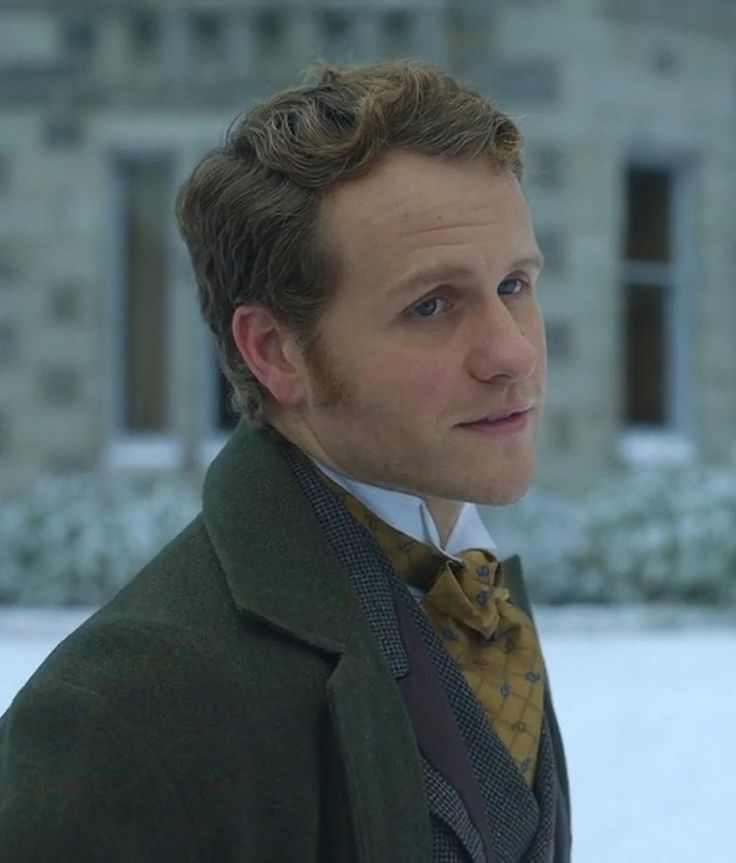
Although I fail to grasp why a series that prides itself on being for women and about women would butcher a female character to lift up a male character, especially when this contradicts both the author’s intent and human logic, the plan to turn Richard into a sympathetic character is a good one, and one I imagine was thought of so we wouldn’t have two abusive male characters who are brothers in the series, even if it would make sense due to their being raised the same way.
Another important change is the making of Richard into the eldest son, instead of his brother James, and thus the heir of the title of Lord Brightlinsea, which will pose issues to himself and Conchita once they realise they cannot turn their back on duty and need money to survive, requiring them to settle for their positions and role in British society and causing several issues to their marriage – and perhaps even following Conchita’s real-life counterpart’s fate and ending in divorce.
–
CON: NAN’S HAIR
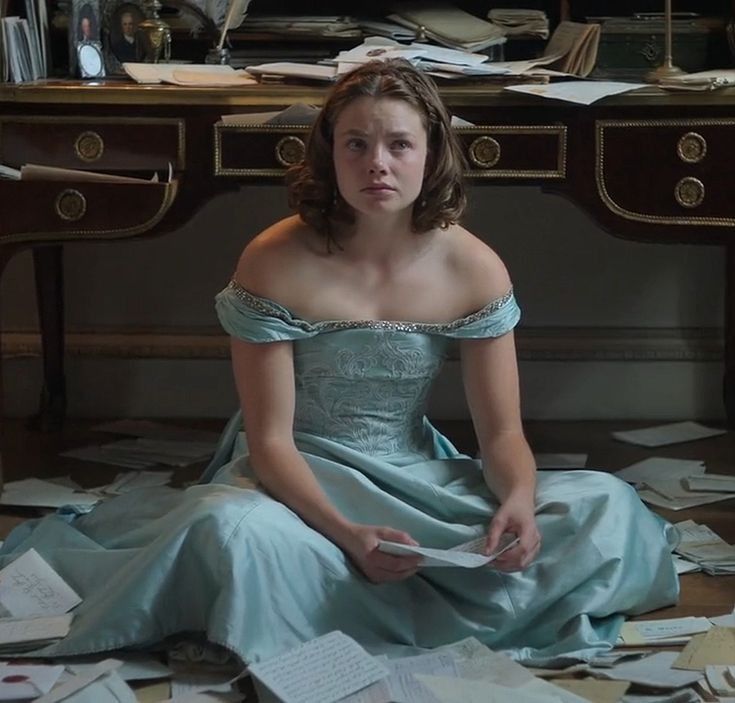
Two observations are important here:
- You can have a female character represent her desire for freedom and lack of understanding and care for social norms while also understanding that in a series about rich women in the 1870s, a woman in her position would have no choice but to adhere to, at the very least, the most basic of social norms. Therefore, Nan having her hair down the entire time she’s on screen and only putting it up as a bride to symbolise her maturity and understanding of her new role and the fact she needs to leave childhood behind is not only pedantic and shallow but it’s also silly. Nan is fully out in society and neither her mother nor any of the women around her would allow her to leave the house looking like that.
- Her wig looks like shit from a butt and the styling of her hair down does too.
–
PRO: MRS ST GEORGE
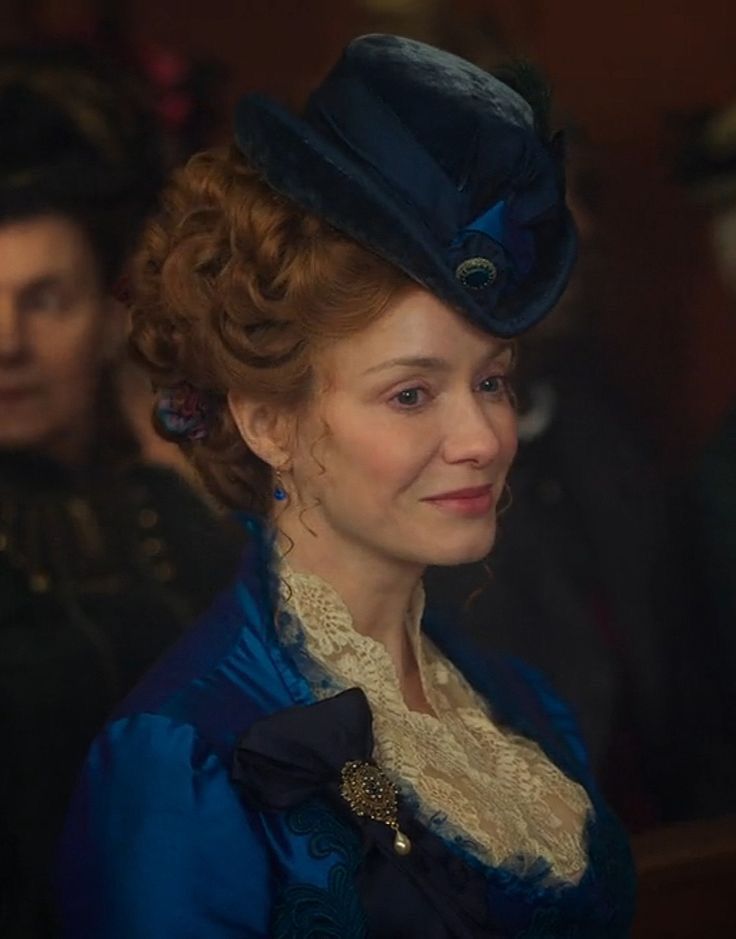
While Laura Testvalley receives a wildly offensive rebranding, the series hit the bullseye with Mrs St George.
In a performance made significantly more impactful by the talent of Mad Men’s own Christina Hendricks, The Buccaneers explores the reality that not only advantageous marriages can end up failing, but even so-called love matches can have a secret underbelly of emotional abuse and manipulation.
Mrs St George doesn’t have this prominent a role in the novel, as Nan is mostly guided by Laura Testvalley, but in the series she receives a depth that was lacking in both the previous adaptation, original novel and in the way modern audiences perceive women of the time.
She struggles to reconcile with the fact she loves her husband, and has dedicated her life to serving him and standing by his side since he was nothing but a military man during the Civil War, with the reality that he is a man who doesn’t understand the concept of love, and who will sleep with any woman he desires to feel young and important again.
This incessant infidelity leads to Patricia St George feeling deeply insecure in her marriage, especially knowing she, like her husband, built herself up, but unlike him she has nothing to go back to, and her desire to maintain her life’s luxuries and improve her station cannot be achieved as a divorced woman, as the stigma would, as he puts it, result in “all doors in New York City being shut on her face”, more so than they already were before.
however, With Nan’s societal improvement, and the reveal that that was likely always her plan, she understands that being the mother of a Duchess will protect her no matter what her marital status, and allow her to achieve financial independence from her husband, and even divorce, if she so wishes.
The series really does a phenomenal job in showing the audience the many layers of sorrow hidden behind the common trope of women, like Mrs Bennet from Pride and Prejudice, who care only to see their daughters in advantageous marriages, giving them a layer of insecurity and dissatisfaction with the uncertainty of their own positions in life, and the knowledge that they will be better taken care of if their daughters end up in a good social position.
–
CONS: AMERICANA (DEROGATORY)
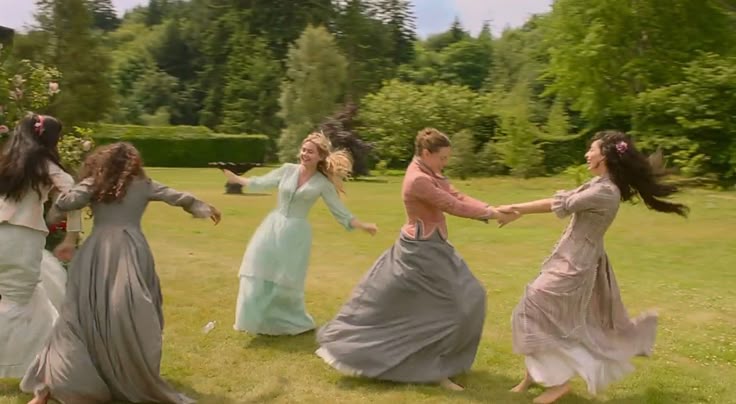
The Buccaneers, as previously stated, is an early 20th century novel written by a woman who understood the moral failure and emptiness of the Gilded Age, and drew upon her lived experiences and knowledge to satirise their immorality and lack of humanity in a clever and well-constructed way. Wharton’s most famous work, The Age of Innocence, is widely acclaimed for its soulful portrayal of class inequality, vapidness and acceptance, exploring the farce that is the American Dream, and how powerful people maintain their power despite the changing of the times.
The Buccaneers (2023), however, doesn’t understand satire. It glosses over the themes of inequality, vapidness and critique present in the original novel, and boils it down to imperialistic and, frankly, misogynistic propaganda that objectifies and mystifies the American woman as being a wild animal who cannot be tamed, or mysterious forest nymphs who use their previously unknown charms to attract men. they are both unaware of their sexuality and also possessing the ability to use it to their advantage.
Not only does this series do a grand ol’ job at infantilising these characters even further than originally by implying that they are nothing but naive young women who don’t care to understand the world they reside in, it also takes great advantage of the Born Sexy Yesterday trope by having the characters very openly use their sexuality to attract British men, and implying that promiscuity is only something American women possess and can get away with, but is what makes them so enticing and special. besides that, it seems that despite not being as well-read as their british counterparts, the american women possess real knowledge, about worldly things.
It is honestly quite shocking to watch a series based on such a masterful critique of American society as The Buccaneers so openly embrace the American Dream trope and reinforce the stereotypes that American women are nothing but wild, good-time girls. It genuinely seems like the showrunners believe Edith Wharton was praising the american way of life of the Gilded Age, instead of critiquing it. I half expected one of the girls to wrap an american flag around her naked figure while singing the national anthem.
There is no critique whatsoever of American culture and how that is the origin of the girls’ problems, and even if the american characters are flawed, they are still to be forgiven, unlike their British counterparts, who are soulless and care too much about their social status and property to ever be redeemed (unless they are men).
–
PRO: JAMES SEADOWN’S WRITING
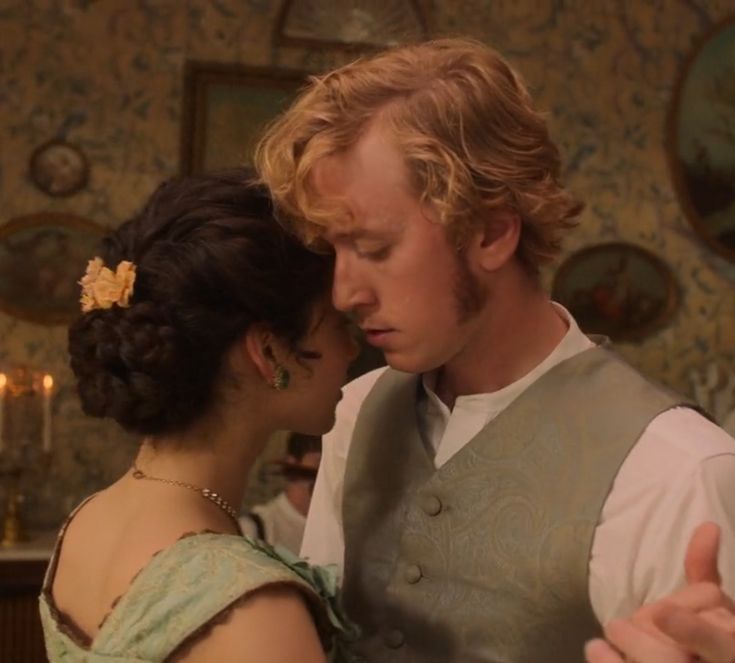
James Seadown was originally supposed to be the future Lord Britghtlinsea, and while I do believe his obsession with keeping up appearances as a British aristocratic heir would have only added to his character in this adaptation, his writing is otherwise fantastic.
We are first introduced to James at the same time as his sister, while he’s listening to his mother gush about how unlikeable these american girls must be, and seemingly attempting to read a book, although not paying much attention or focusing on it, an ode to his need to seem proper instead of being proper.
to his mother’s remarks that the girls may be their only chance to maintain their position in society, he replies: “so I am to be sold to the highest bidder? Do I have a choice?”, a good way to trick the viewer into believing that this was the first time he considered the possibility of having to marry one of the buccaneer girls.
In the same scene, a few moments later, he’s seen carefully observing the girls’ arrival at the manor from the window, to which his sister remarks: “window-shopping?”, as she understands her brother’s true nature, a fact that is reiterated while the girls play hide-and-seek during their getaway in the very next episode; she remarks: “they don’t know him. (…) he’s a monster.”.
Back in the first episode, we see much more of Seadown’s observing nature, the mark of a predator. He pays attention to every single detail about the St George sisters, knowing they have the most money, and as Nan dazzles his family by correctly identifying a painting of Lady Jane Grey, Seadown takes to asking her sister, Jinny, what she thinks of the portrait, her unremarkable response being enough to make his decision on which sister to invest, as he wouldn’t want an intelligent, outspoken woman like Nan, but one who even if she knows less about a subject, knows how to flatter and behave in a more traditional ladylike manner, making for dull conversation, but easy control. it also doesn’t hurt that jinny is multiple times described as being “the pretty one” of the sisters, undoubtedly due to both her physical appearance and feminine demeanor, which would instantly portray her as a prize seadown can win and parade around.
In the next episode, during their getaway, we first see real proof of Seadown’s controlling nature. He sets his sights on Jinny, but when she becomes too eager to please him by attracting all the attention to herself while dancing and getting drunk, he punishes her by using her best friend, Lizzy, to break her; he tells Jinny: “in England, we find presumption unappealing”, and makes his way to her friend, causing her to play exactly to his game by having a meltdown and attempting to make her notice him, proving she’s who he wants her to be: desperate and eager to please. During his dance with Lizzy, he keeps his ears open to her, knowing she’s wishes to be noticed, but he doesn’t give her the satisfaction. Instead, he leaves for the game of sardines with Lizzy, and we are finally shown how disgusting the man can truly be.
The chaise longue scene, featuring a terrified Lizzy being coerced into stripping down and laying naked and still while Seadown does nothing but observe her, is brilliantly shot, and serves to show the audience that he’s not only an insecure man who’s looking for a perfect, pliable wife, but a real, dangerous abuser who gets off on controlling women and owning them in more ways than just sexual, as he later uses his knowledge of Lizzy’s body to coerce her into keeping quiet about the abuse, knowing that, if his version comes out, he will be believed over her, and she will be disgraced.
Actor Barney Fishwick does an incredible job in general, but this scene in particular genuinely sent shivers down my spine; his penetrating gaze and her fear, his leaving the room to assert his dominance, testing to see if she will obey, and knowing there’s no way this could ever end up poorly for him, is terrifying, and opens the door to the other types of physical abuse we see from him for the rest of the series, in particular his ability to isolate his victims, playing them against each other, a very common tactic used by abusers.
He preys on jinny easily and slowly. First, by convincing her to elope, making it impossible for her to leave the union through the interference of her friends, whom he knows can be dangerous to his control of her. Then, he showers her in love and affection during their first nights as husband and wife, keeping her in bed with sex, while telling her sister Jinny will see her later. Finally, we see his manipulation of her reach a high as he convinces her to humiliate her own mother, but saving his own skin to come off as the good guy, and ultimately nailing the perception her family has of her as a stuck up, distant shell of the friend they once knew, having been changed by her improved position, even going as far as portraying herself as superior to the “childish” ways of her friend Conchita.
Isolated and alone, Jinny has no one else to count and confide in but him, and it seems his light sleeping even serves as a way to keep an eye on Jinny as he tightens his grip on her during the night when she tries to get up and out of bed.
There are several other examples as to the building of Seadown as the real villainous figure of The Buccaneers, so I cannot possibly cite them all, but I have to commend the showrunners on how realistic and chilling the writing is for this character, and I cannot wait to see what they will do to him in season 2, now that he has been abandoned by his wife, and emasculated, which will undoubtedly reflect poorly on him and stain his image with his own family and british society as a whole.
–
CON: NAN SHOULD BE ALONE
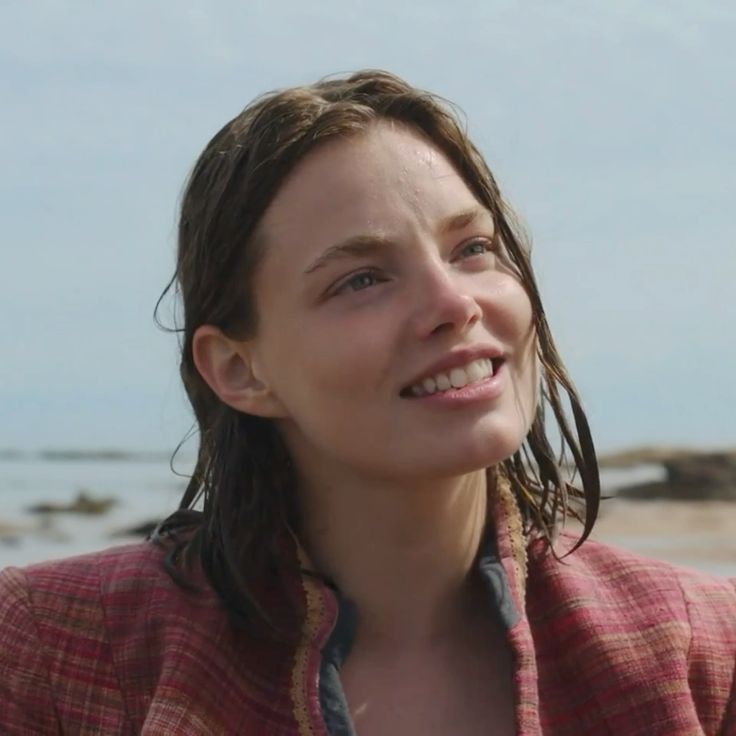
While I do appreciate that this version attempts to soften some of the edges Theo, the Duke, had in his previous iterations by giving him heart, passion and a humised arc, it doesn’t change the fact that, much like the previous Dukes, Theo does not truly understand Nan in any level but superficial.
His search of her love is based on a couple interactions where he was intrigued and fascinated by the notion of finding a woman who cares not for duty or social norms, who is fresh and free and seems to align with his own need to escape the rigidity of the society that surrounds him, however, much like it becomes clear with Richard and Conchita, that is not enough to sustain a marriage, which is, of course, going to be the main focus on both pairs’ relationships in season 2, the fight between freedom and tradition.
but in this iteration, theo isn’t alone in his shallow view of Nan, as that is also the way Guy approaches her, initially as an innocent and naive enough girl who’d fall right into his trap and allow him to use her fortune to save himself, then as a sort of exotic bird who contradicts everything he was raised to believe.
Both men see Nan as an ideal, a statuesque representation of all that’s good and kind in the world that they can place on a pedestal and admire, inhibiting her from growing and developing as a human being and caging her in the ideals that surround them. At the end of the day, all Theo could give her is the ability to join him in his own miserable rigid existence, and succumb to the same depressive claustrophobic world, suffering with him. He’s trapping her with him, cutting off her wings so he can have something to admire while they both grow cold and old together.
As for Guy, his issue is the same as Theo’s. He only understands Nan on a superficial level, he appreciates her freedom and sense of self, he likes that she’s opinionated (as long as those opinions don’t interfere with his world view), but all he can offer her is a life of ostracisation, away from her family and friends and without the stability she’d need to thrive.
If the series had opted to follow its predecessors and invest more on the development of Guy instead of that of Theo, perhaps it would be easier to wish for Nan to be “free” and drop everything (including likely her future children) to be with him, even if that meant she could never return to the life she once knew which would undoubtedly eat her alive eventually, but as it stands, having two characters who are vowing to protect and provide for her and are the representation of the very rare type of man who doesn’t completely suck, it makes it harder to ignore the fact that the only way for this Nan to be truly happy while also being her authentic self, in this version at least, is for her to be alone.
ultimately, as i watched these two men fight each other for a woman they don’t truly understand and wish to own more than love, one line from greta gerwig’s 2019 adaptation of little women came to mind, “you will be bored of him in two years, and we will be interesting forever.”.
–
WHAT I EXPECT FROM SEASON 2
Given that Guy’s initial plan was to flee with Nan to Brazil, the only mention of the country Conchita’s originally from, I am both concerned and curious to see how season 2 will approach, or avoid, the subject of race while having a black character move to a South American country where slavery is still legal and prevalent, as well as being the main source of income of that country.
And as to the issue of race, and the series horrible relationship with it, Nan and Guy have their first time together, and Nan’s first time overall, in the last episode of Season 1, and given the series flare for the most cliche of dramatics, it wouldn’t be inconceivable to assume that a possible future plot would be Nan’s resulting pregnancy from the affair, making her, like her own mother, the mother of a bastard child, except this time, she risks having the child look like Guy, which would ruin her reputation, turn her husband into a laughing stock, and ruin any possibility her child might have of a good future, and, frankly, I don’t think the writers would be able to properly write a mixed-race bastard child any more than they were able to write Conchita’s character.
Finally, I’m concerned as to where Laura Testvalley’s storyline will go. The most obvious plot for her would be that she is, in fact, Nan’s mother, which would explain the look she exchanges with Colonel St George in Episode 4, and, if not, there isn’t really a way they can circumvent turning her into an abuser, hence why I can’t see her having a love affair with Guy’s father, but I also believe the series would be demented to lose Simone Kirby’s terrific performance, so the way out would be having a redemption arc for her character – and how could that possibly work, after they’ve accused her of such a disgusting crime?
Overall, I did actually enjoy some aspects of Season 1 and am excited to watch the second season, however, knowing the industry and the precarious nature of streaming, it is more than likely that the series won’t live to see a third season, so I hope the showrunners are smart enough to tighten any and all ends left loose throughout the first and second seasons.





 The Kitchen Sink
Leave a comment